Why Neutral Interiors Are Becoming Warmer and More Textured
For years, interior design focused heavily on minimal white and black spaces. Clean lines, plain walls and simple styling became very popular. While this look felt modern, it could sometimes feel a little cold or stark.
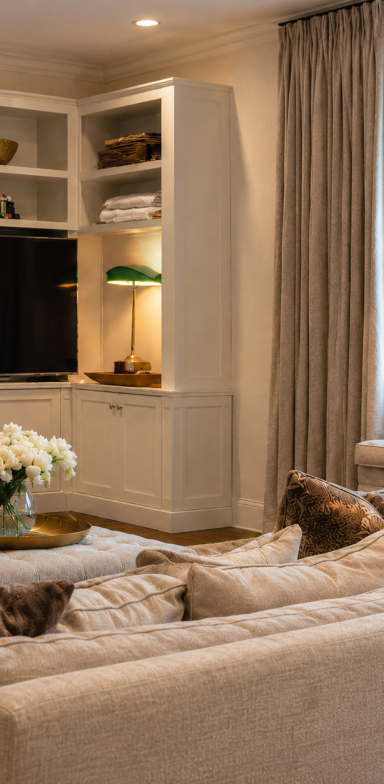
Now, that trend is slowly changing. Neutral interiors are becoming warmer, softer and more textured, with a greater focus on natural materials and earthy tones.
Moving Beyond Black and White
Instead of very sharp black and white schemes, many homes are now introducing warmer neutral colours. Shades like beige, taupe, soft brown and muted earth tones are replacing cooler greys and bright whites.
These colours help rooms feel more relaxed and comfortable while still keeping a calm, neutral look.
The Return of Natural Materials
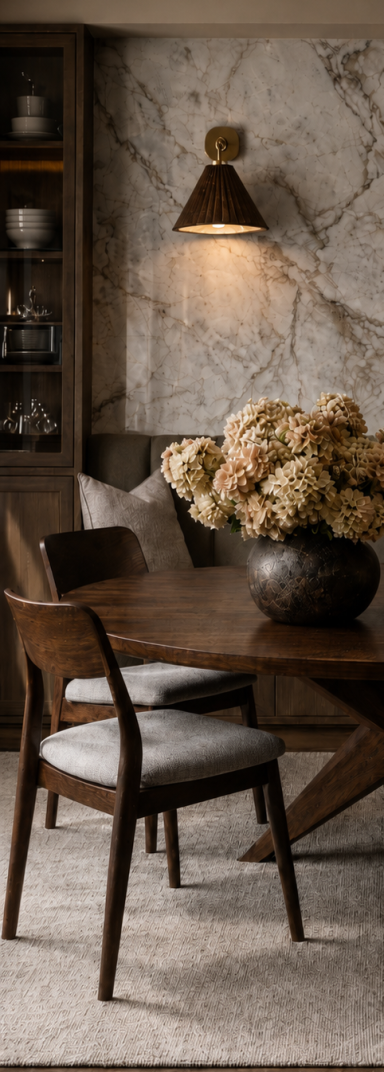
Natural materials are also becoming a key feature in modern interiors. Warm wood finishes, stone surfaces and handmade ceramics are being used more often to add depth and character to rooms.
Wood furniture, in particular, is making a strong comeback as people move away from very glossy or ultra-modern finishes.
Adding Texture Through Textiles
Textiles are another important part of this shift. Cushions, throws, rugs and curtains in materials like linen, wool and cotton help soften a space and make it feel more lived-in.
These layers add interest without needing bold colours or busy patterns.
A Softer, More Comfortable Style
Overall, the move away from stark minimalism is creating interiors that still feel clean and simple, but also warmer, more natural and more comfortable to live in.
By combining neutral colours with wood, textiles and earthy accents, homes can feel both modern and welcoming.
Colour Drenching: Is It a Passing Trend or Something More Timeless?
What Is Colour Drenching?
Colour drenching is an interior design technique where one colour is used across several surfaces in a room. This often includes the walls, ceiling, skirting boards, doors, architraves, radiators and even fitted furniture.
Instead of breaking the room up with contrasting white woodwork, colour drenching creates a softer, more cohesive space. It can make a room feel calm, warm, wrapped and much more considered.
As more people move away from cold white interiors, colour drenching has become one of the biggest interior design trends. But is it just a fad, or can it feel timeless?
Is Colour Drenching Just a Trend?
Colour drenching is definitely popular at the moment, especially across Pinterest, Instagram and interior design magazines. The phrase itself feels very current.
But the idea behind colour drenching is not new.
Traditional interiors, period homes and heritage-inspired rooms have used rich, continuous colour for years to create depth, warmth and atmosphere.
So for me, the trend is the name. The timeless part is the feeling it creates.
Why Colour Drenching Can Feel Timeless
Colour drenching can feel timeless when the colour is chosen carefully.
A very bright or overly fashionable paint colour may date quickly. But soft greens, warm neutrals, muted pinks, earthy taupes, deep blues, clay tones and mushroom shades can feel classic, elegant and easy to live with.
By painting the walls and woodwork in the same colour, the room feels calmer and more connected. It removes harsh lines and helps the space feel designed rather than simply decorated.
This is why colour drenching works so well in timeless interior design. It adds character without needing lots of pattern or fuss.
Where Does Colour Drenching Work Best?
Colour drenching works beautifully in bedrooms, living rooms, snugs, dining rooms, hallways, home offices and downstairs toilets.
It can also be a clever choice for awkward rooms with lots of doors, angles or different surfaces. Using one paint colour can help soften the space and make it feel more balanced.
Darker colour drenching can create a cosy, intimate feel, while lighter colour drenching can make a room feel calm and seamless.
The key is choosing a colour that works with the natural light, flooring, furniture and overall feeling of the home.